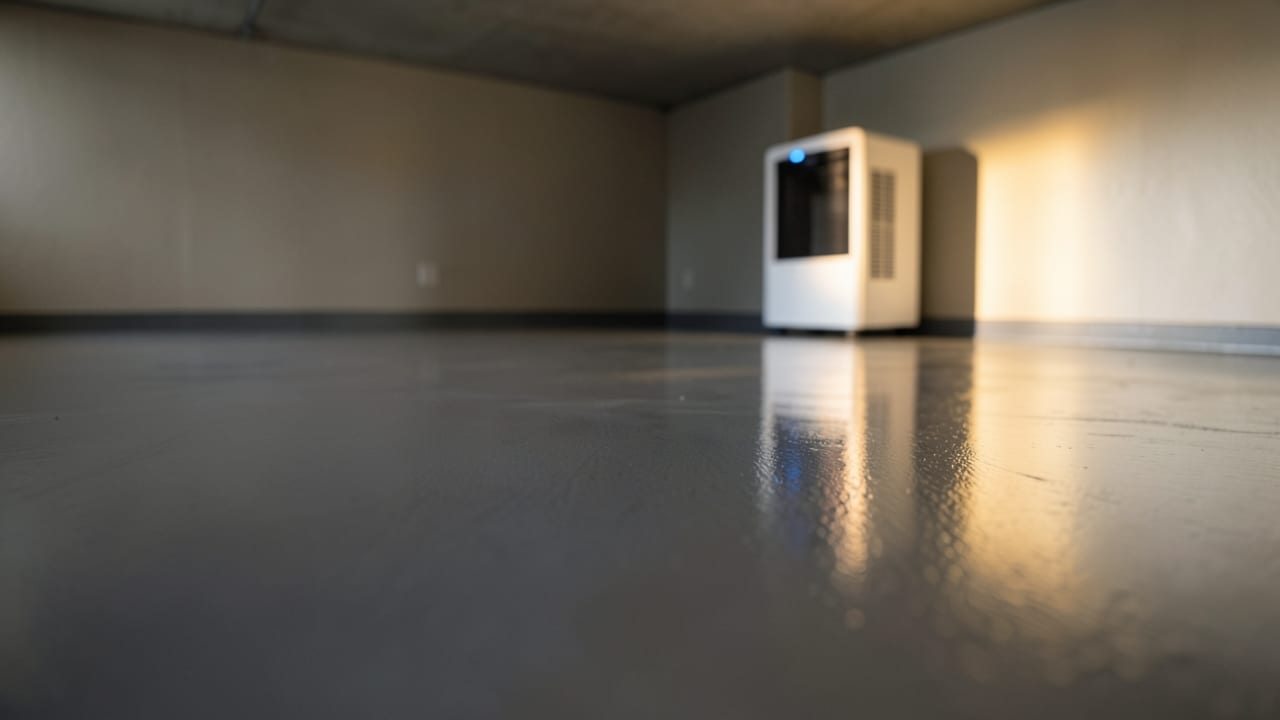
Post-Remediation Sealing
Applying protective sealants to surfaces after mold remediation to prevent future growth.
Post-remediation sealing in Ardmore, OK, involves applying specialized coatings to treated surfaces after mold removal to prevent future growth. This step creates a protective barrier that reduces moisture absorption, helping to maintain the effectiveness of the remediation and protect your home’s structural integrity over time.
When is post-remediation sealing needed?
Post-remediation sealing is typically recommended after professional mold removal when porous materials like drywall or insulation have been replaced or treated. It helps protect areas where mold was previously active, especially in spaces prone to moisture such as basements, bathrooms, or crawl spaces.
We also handle Bathroom Mold Removal and Kitchen Mold Cleanup for Ardmore properties.
Sealing is also important if the remediation uncovered hidden mold growth behind walls or under flooring, as these areas may remain vulnerable to moisture even after visible traces are removed. Without sealing, residual moisture can lead to regrowth over time.
Signs You May Need Post-Remediation Sealing
- Mold growth covers more than a small, isolated patch (25+ square feet of contiguous growth).
- Mold keeps returning to the same spot after cleaning, suggesting a moisture source wasn’t addressed.
- A musty smell persists in a room with no visible mold, often indicating hidden growth.
- The affected area is in a persistently damp space, like a windowless bathroom or basement corner.
What affects the cost of post-remediation sealing?
The cost of post-remediation sealing varies depending on the size of the treated area, the type of sealant used, and the condition of the surfaces being protected. Labor rates, material quality, and whether additional treatments (like structural drying) are required also play a role in pricing.
Unlike remediation itself, sealing is scoped to the area treated after mold removal. Pricing is typically based on square footage, with costs reflecting the level of protection needed for the specific surfaces involved.
Common mistakes to avoid after mold remediation
Skipping containment during removal can allow mold spores to spread to unaffected areas of your home, turning a small job into a larger one. Without proper containment, spores stirred up during removal can migrate through hallways or HVAC systems, contaminating spaces that were never affected.
Using standard shop vacuums or non-HEPA air scrubbers instead of HEPA-filtered equipment recirculates spores back into the air, undoing the progress of the remediation. Proper filtration is critical to ensuring spores are captured and not redistributed.
Avoid rushing the sealing process or cutting corners on containment. Proper sealing and containment help ensure the treated area stays protected and prevents future mold growth.
How post-remediation sealing works
- 1Surface Preparation
After mold removal, surfaces are cleaned and dried to ensure they are free of dust, debris, and residual moisture. This step is critical to allow the sealant to adhere properly and create an effective barrier.
- 2Application of Sealant
Specialized coatings or encapsulants are applied to the treated surfaces. These materials create a moisture-resistant barrier that helps prevent future mold growth by inhibiting moisture absorption.
- 3Drying and Curing
The sealed area is allowed to dry and cure fully. This ensures the sealant forms a durable protective layer, which is essential for long-term effectiveness in high-moisture areas.
- 4Inspection and Testing
A post-remediation clearance test is conducted to confirm that spore counts in the air and on surfaces are back to normal levels. This step verifies that the sealing process was successful and that the area is safe to reoccupy.
Frequently asked questions
How do I know if my home needs post-remediation sealing after mold removal?
If your home had extensive mold growth (25+ square feet), if mold keeps returning to the same spot, or if the affected area is in a persistently damp space, sealing is typically recommended to help prevent future regrowth.
Can I seal the area myself after mold remediation?
While some sealants are available for DIY use, professional application ensures proper coverage and adhesion, especially in areas with hidden moisture or structural concerns. A professional can also verify that the moisture source has been addressed.
How long does post-remediation sealing last?
The longevity of sealing depends on the quality of the materials used, the condition of the surfaces, and whether the moisture source is controlled. Regular monitoring of humidity and airflow in treated areas can help extend the sealant’s effectiveness.
Will sealing prevent mold from coming back entirely?
Sealing helps reduce the risk of mold regrowth by creating a moisture barrier, but it is not a permanent solution on its own. Addressing the underlying moisture issue is essential to preventing future growth.
Where Ardmore sits, and what the Census lists nearby
Ardmore sits in Oklahoma, and the closest places listed in the U.S. Census Gazetteer are Springer (6.9 miles north), Lone Grove (7 miles west), Dickson (7.6 miles east), Gene Autry (9.6 miles northeast). Within 25 miles of Ardmore the same source lists 20 distinct incorporated places and census-designated places.
Those figures matter for post-remediation sealing because they are straight-line distances between Census coordinate points: road mileage between Ardmore and Springer runs longer than the 6.9 miles shown, which is why quotes for the same job differ between towns that look close together on a map.
Source: U.S. Census Bureau Gazetteer.
See Provence, OK for more, or take a look at every option available in Ardmore by category for our complete lineup.
Ready to get started?
Talk to a local mold remediation pro in Ardmore — get a written quote.
Other Mold Remediation Services in Ardmore
Bathroom Mold Removal in Ardmore, OK
Professional assessment and removal of mold in bathrooms to restore a safe, clean environment.
Learn More
Kitchen Mold Cleanup in Ardmore, OK
Professional assessment and removal of mold in kitchen areas to restore a safe, clean environment.
Learn More
Carpet Mold Treatment in Ardmore, OK
Professional assessment and removal of mold growth from carpets to restore a safe indoor environment.
Learn More
Concrete Mold Remediation in Ardmore, OK
Professional removal and treatment of mold from concrete surfaces in homes.
Learn More
Laundry Room Mold Cleanup in Ardmore, OK
Professional mold removal and remediation in laundry rooms to restore a safe, clean space.
Learn More
Ceiling Mold Removal in Ardmore, OK
Professional removal of mold growth from ceilings, including containment and cleanup.
Learn MoreCommon Questions About Mold Remediation in Ardmore
Everything you need to know about mold remediation services in Ardmore
How much does Post-Remediation Sealing typically cost in Ardmore, OK?
Why does Ardmore, OK's humidity make mold a bigger risk than in drier regions?
How long does a typical mold remediation job take?
Is it safe to stay in the home during mold remediation?
Can small mold problems be handled without hiring anyone?
What's the actual difference between mold removal and mold remediation?
Need Mold Remediation in Ardmore?
Connect with local providers in Ardmore for a detailed quote.
⏰ We answer your call • Serving all of Ardmore and surrounding areas